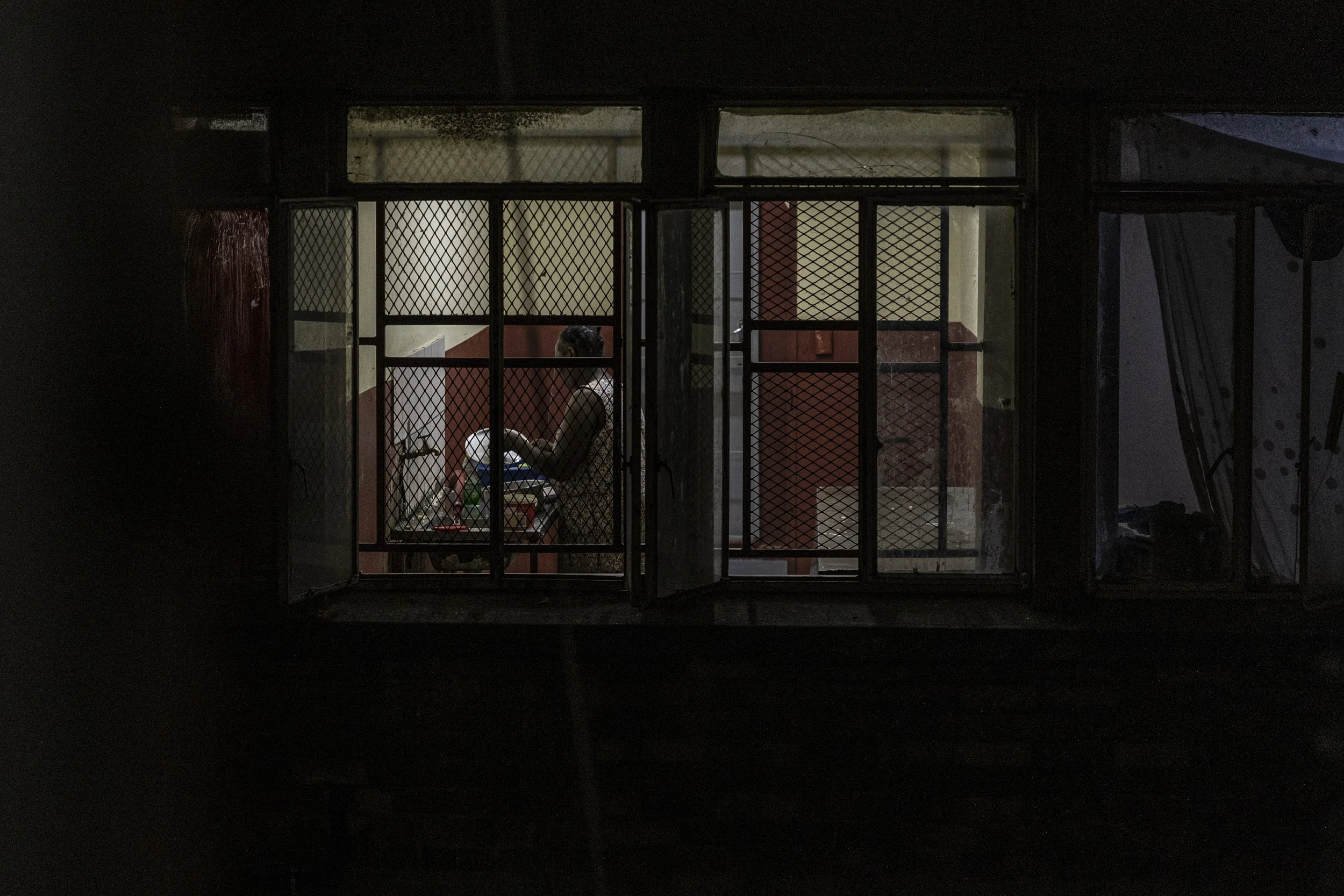
Urban crisis in the city of Gold
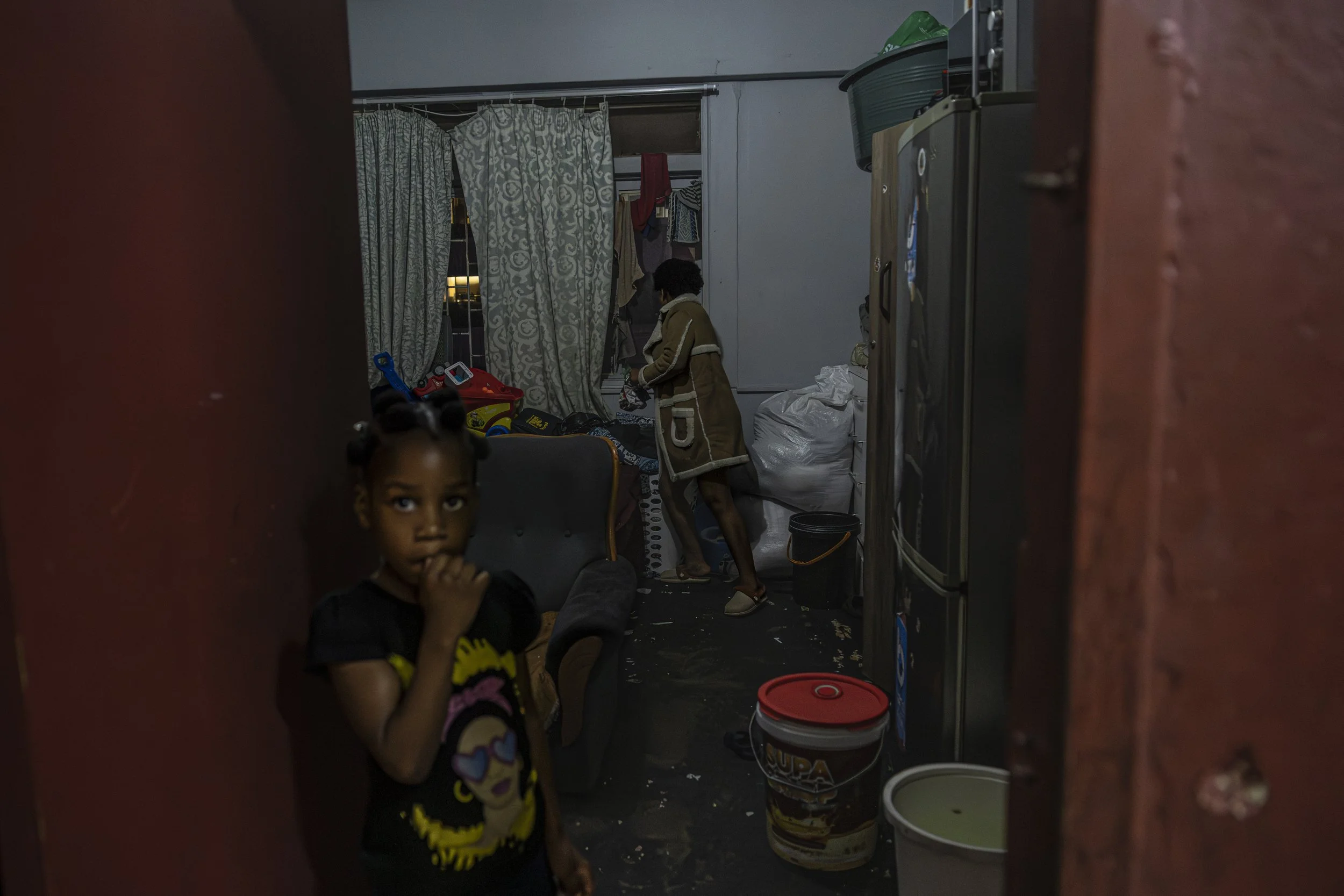
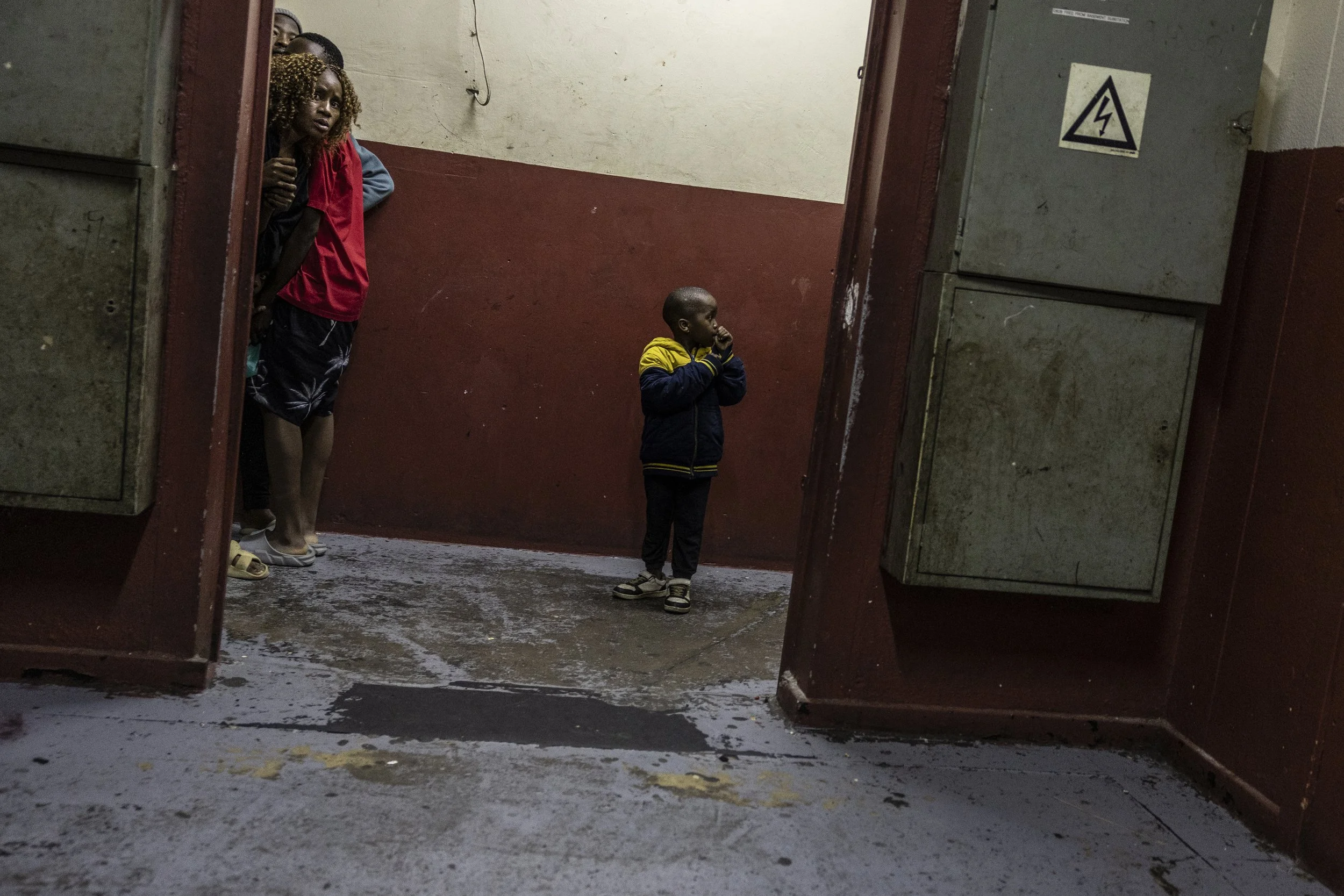
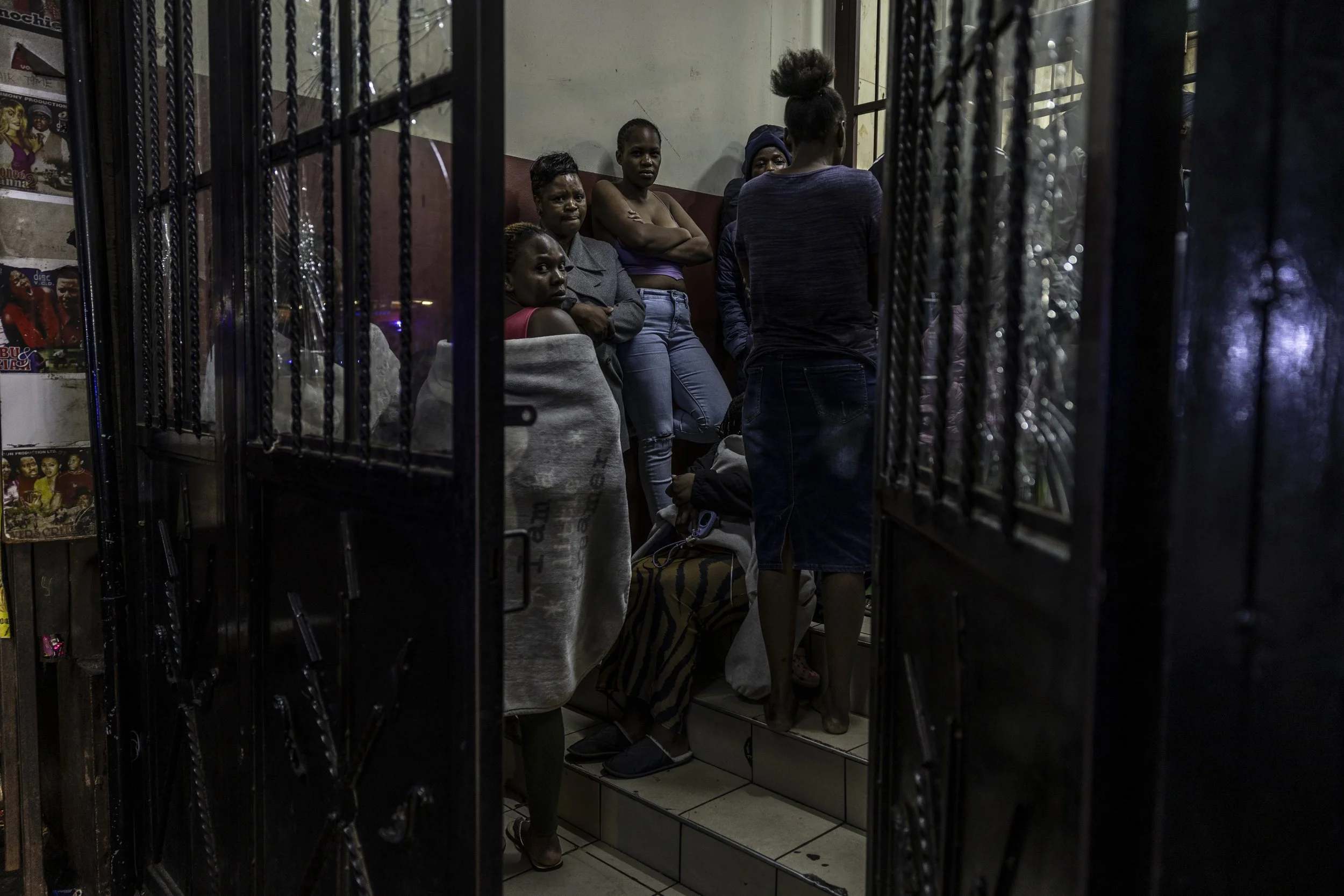
In the center of Johannesburg, hijacked buildings are a common sight. Residential areas that once housed office workers are now controlled by informal and criminal networks, without contracts, maintenance, or safety guarantees. The Zambesi Building is a striking example of this phenomenon: inside, hundreds of people live in overcrowded conditions, with serious safety violations and structural deterioration that increase the risk of fires or collapses.
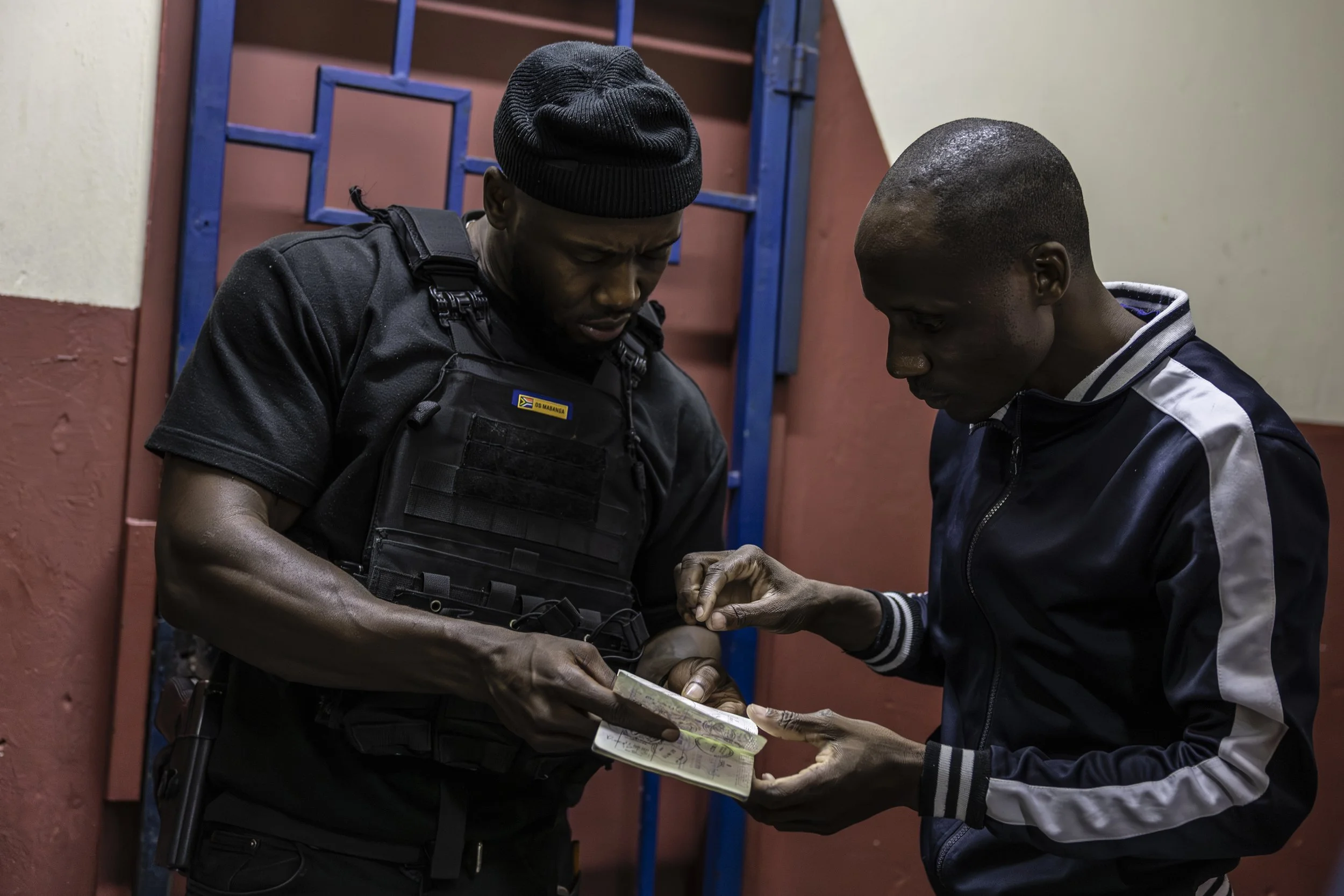
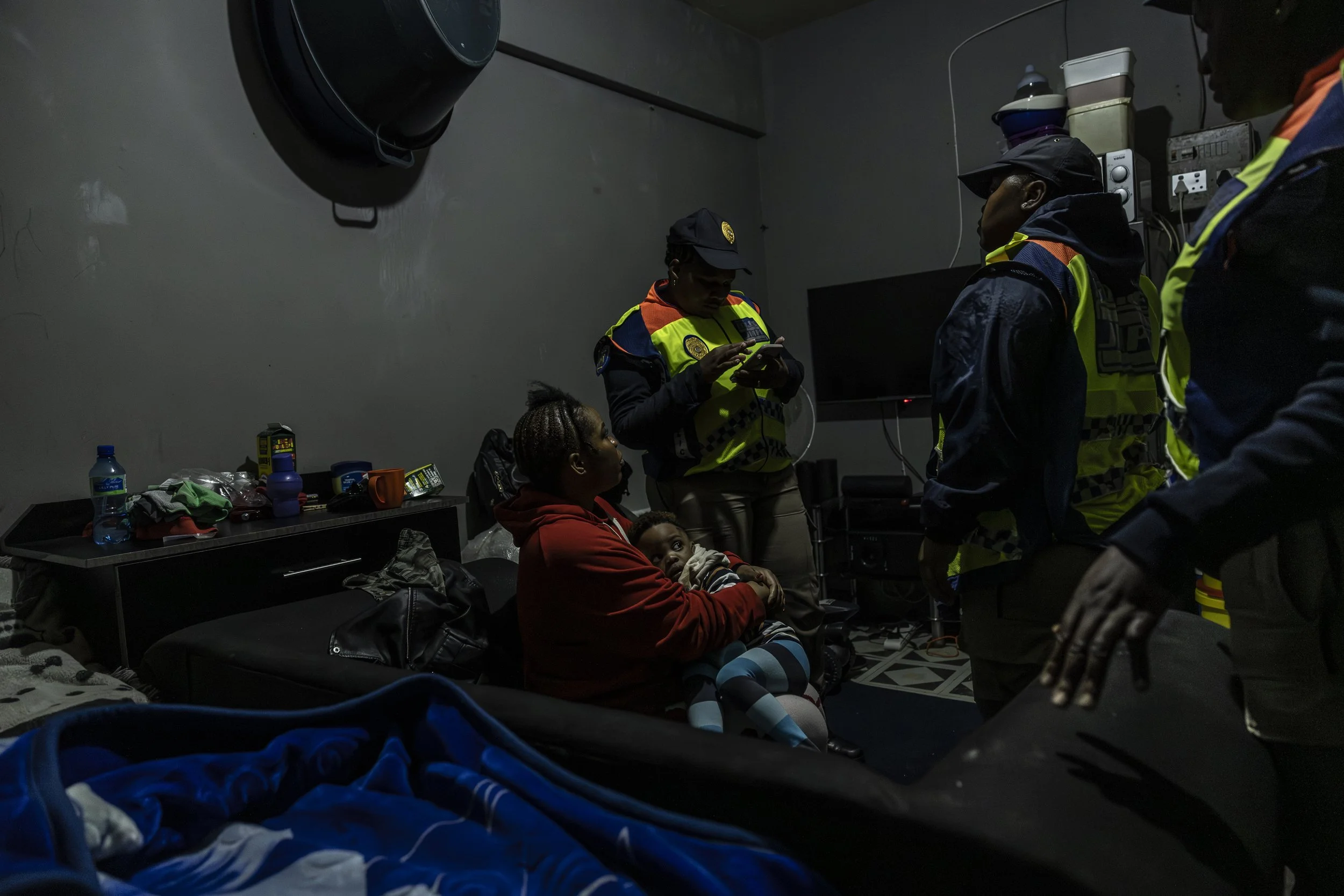
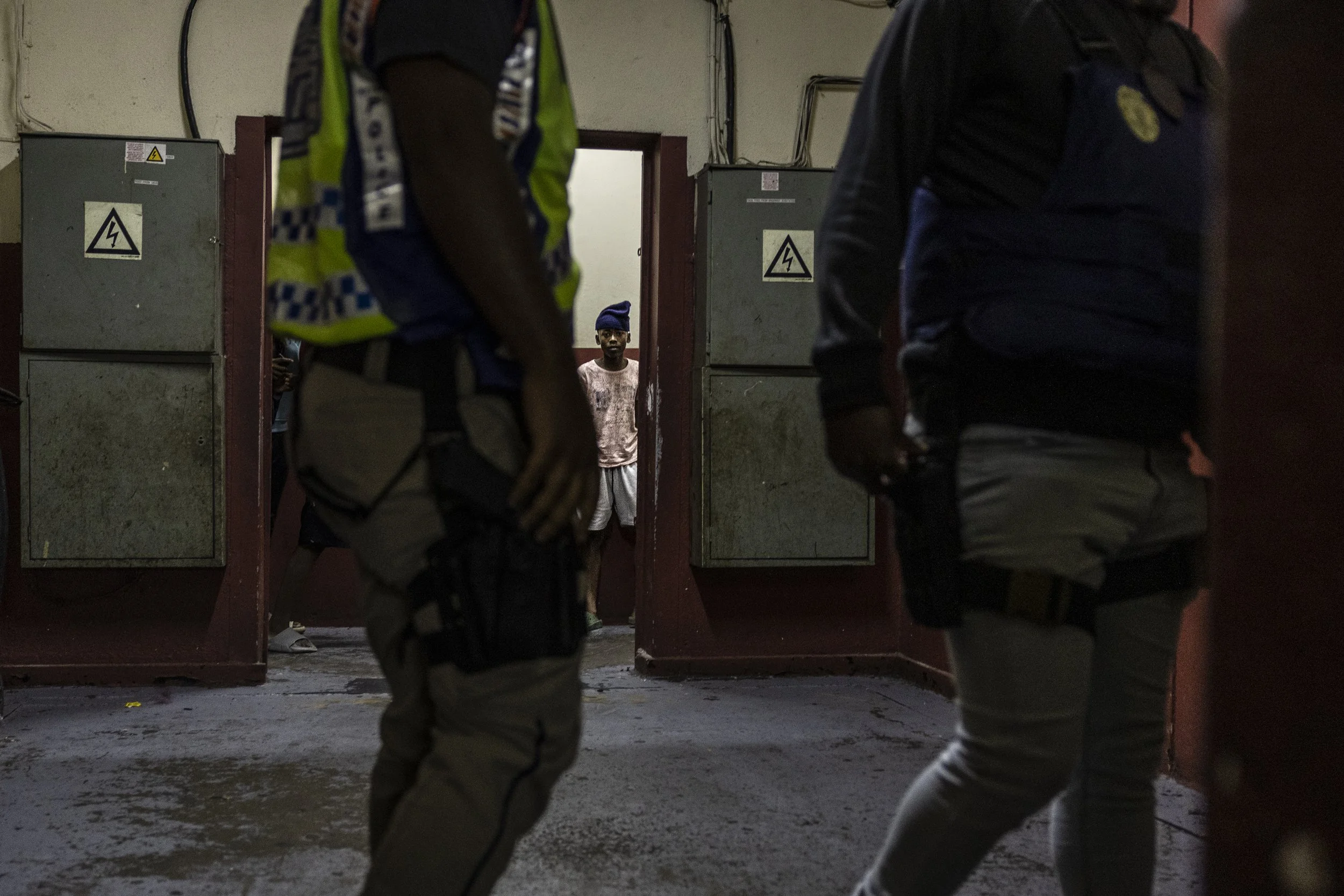
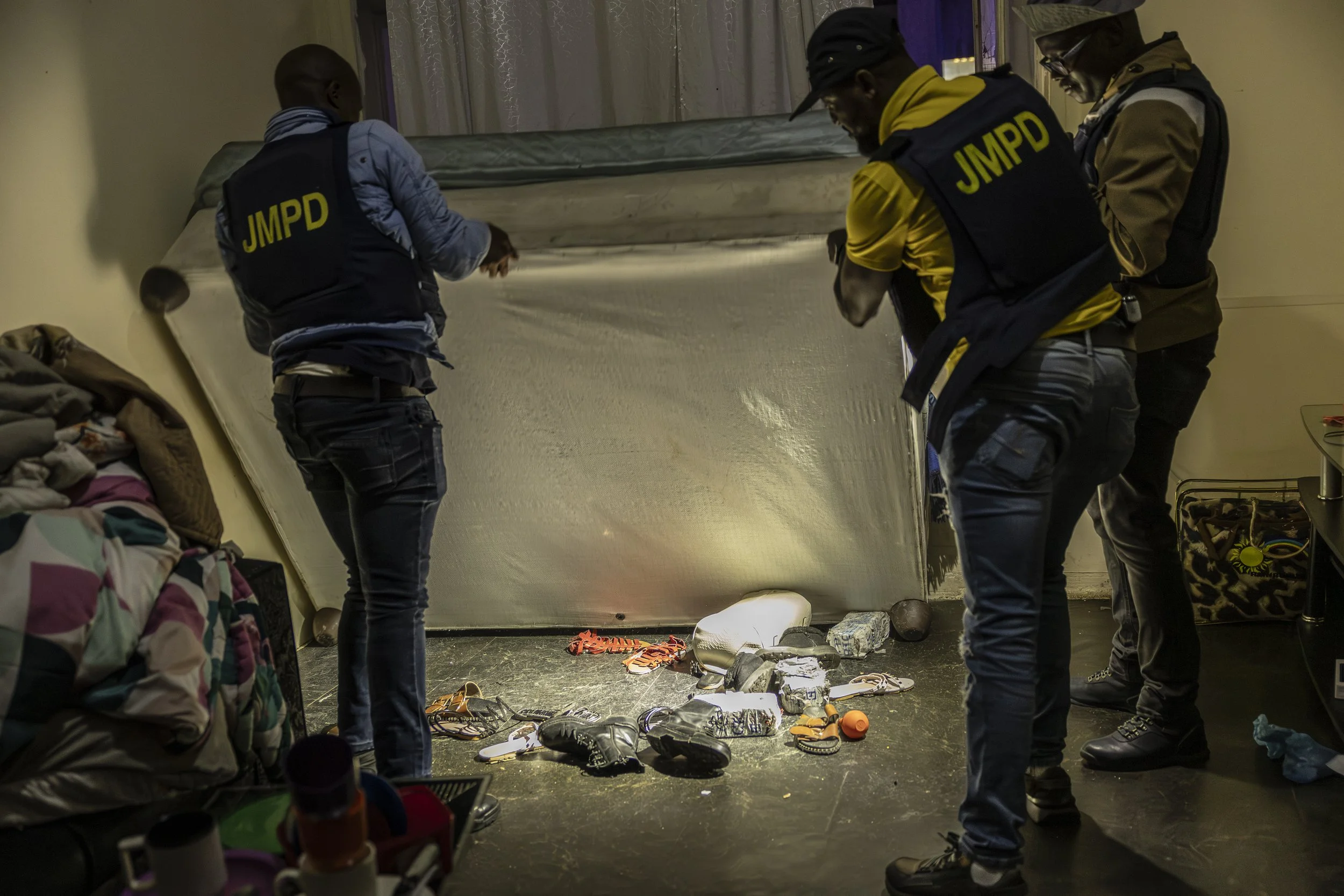
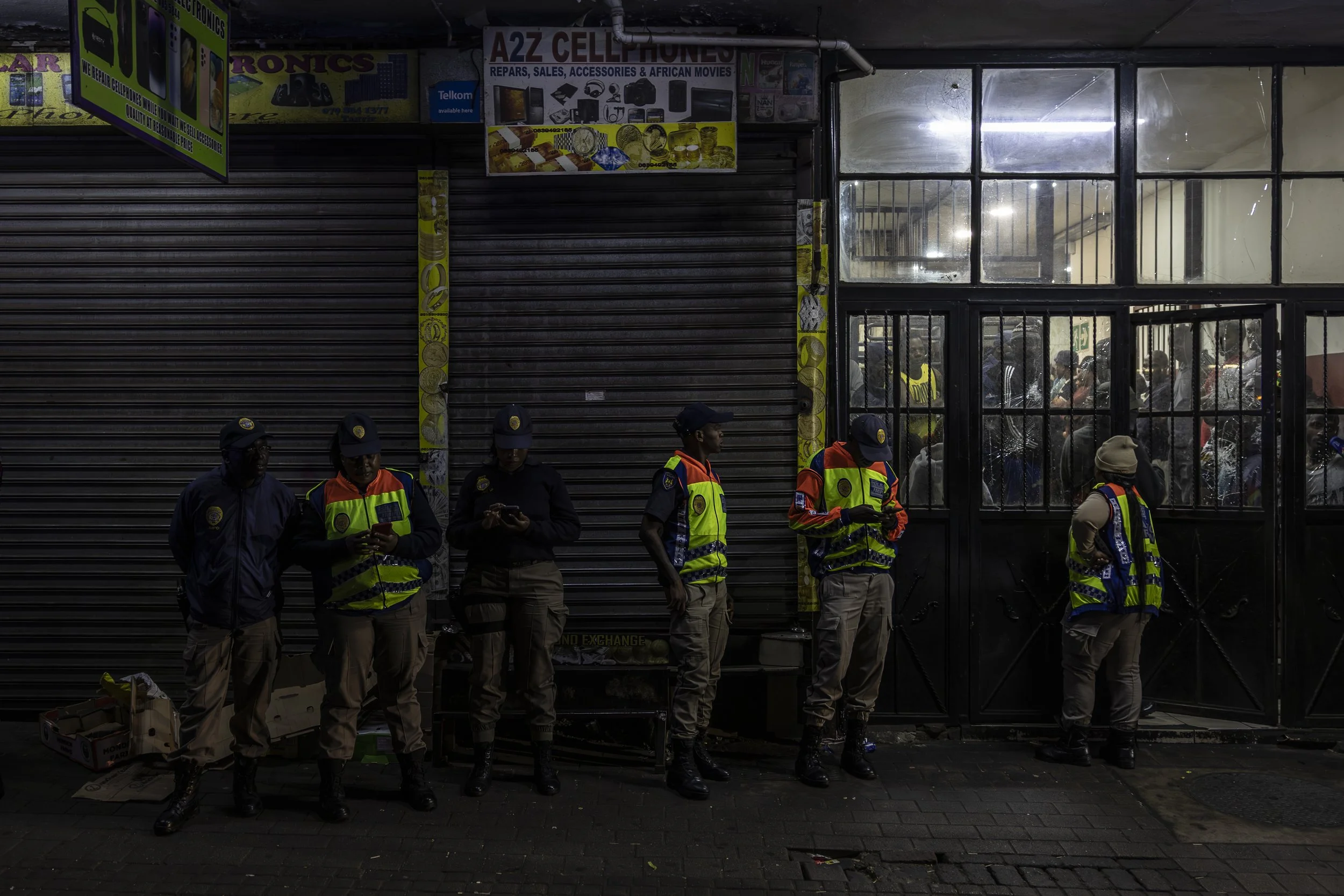
The crisis intensified in December 2025 with the murder of Warrick “DJ Warras” Stock, who was overseeing the installation of security systems inside the Zambesi. After his death, authorities raided the building, inspecting dozens of apartments and questioning several residents as part of the investigation. During the operation, occupants who had long failed to pay rent were identified, and statements were collected from people considered relevant to clarifying the crime.
The case highlights the serious risks associated with squatted buildings, marked by a lack of safety, basic services, and regulation, as well as the complexity of intervening in them without providing housing alternatives. The official strategy—based on police operations, audits, and administrative controls—has reignited a crucial debate: how to restore order and urban security without criminalizing poverty or displacing vulnerable populations. Johannesburg thus emerges as an example of a broader urban crisis affecting many cities, where the right to the city and to safety remain unresolved challenges.